AbMole Mini-Lecture | Insulin: A Core Metabolic Regulator and Its Research Applications

Insulin (Human, AbMole, M9194) is a protein hormone synthesized and secreted by pancreatic β-cells, playing a central role in metabolic regulation. Insulin binds to the insulin receptor (IR), a transmembrane receptor with intrinsic tyrosine kinase activity. This binding induces receptor conformational changes and autophosphorylation of the receptor’s β-subunit, activating downstream signaling cascades, primarily the PI3K/Akt and Ras/MAPK pathways. The PI3K/Akt pathway mediates insulin’s metabolic effects, promoting GLUT4 translocation to the cell membrane to enhance glucose uptake and utilization. It also regulates key enzymes and transcription factors to promote glycogen, lipid, and protein synthesis while inhibiting gluconeogenesis and lipolysis. The Ras/MAPK pathway is primarily associated with insulin-mediated cell growth, proliferation, and differentiation [1].

AbMole provides global researchers with high-purity, high-bioactivity inhibitors, cytokines, human monoclonal antibodies, natural products, fluorescent dyes, peptides, compound libraries, antibiotics, and other research reagents, widely cited in numerous publications and patents worldwide.

Insulin (Cattle, AbMole, M9164) is widely used in research. For example, prolonged exposure of adipocytes to 150 nM insulin establishes an in vitro insulin resistance model[2]. Insulin is also used for cell differentiation induction: a differentiation medium containing 10 μg/ml insulin, 1 μM dexamethasone, 0.5 mM IBMX, and 5 μM rosiglitazone induces preadipocyte differentiation into mature adipocytes[3]. In neuroscience, insulin crosses the blood-brain barrier and influences CNS functions such as appetite, energy balance, and cognition. Intracerebroventricular insulin administration significantly reduces food intake in animal models[4]. Insulin (Pig, AbMole, M9336) also suppresses microglia-mediated neuroinflammation and protects neurons from stress-induced damage[5]. Insulin signaling modulates mitochondrial function and dopaminergic neuron survival in Parkinson’s disease models [6]. In 2014, two inhibitors from AbMole were used in in vivo studies by the Spanish National Center for Cardiovascular Research (CNIC) and Columbia University, leading to publications in Nature and Nature Medicine.
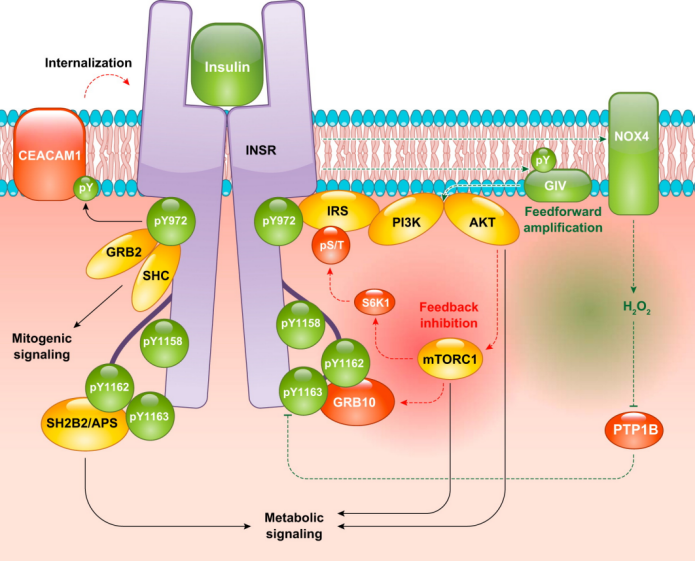
 

Insulin signaling pathways[7]


Case Study

Sci Adv. 2025 Jul 25;11(30):eadi2370.  

Researchers from Sun Yat-sen University developed a method to generate functional mammary-like cells (MCs) and mammary organoids from induced pluripotent stem cells (iPSCs). This model recapitulates mammary gland development and enables study of breast cancer mechanisms. The study identified S100P as a key gene in breast tumorigenesis. AbMole insulin (Human, M9194) was used as a critical medium component to maintain cell survival, proliferation, and function, and at 10 μg/ml to induce iPSC-MCs to form mammary organoids [8].
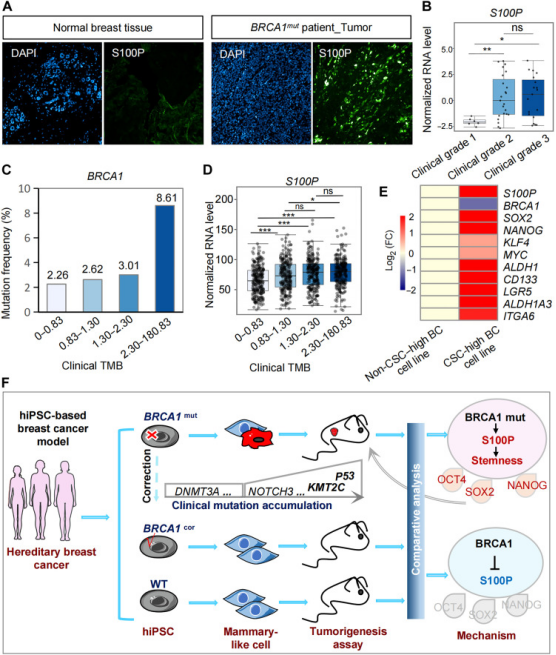
 

Figure 3. Clinical analysis reveals an association of S100P and BRCA1 in tumorigenesis [8].


References and Acknowledgments

[1] Max C. Petersen, Gerald I. Shulman, Mechanisms of Insulin Action and Insulin Resistance, 98(4) (2018) 2133-2223.

[2] A. Rossi, M. Eid, J. Dodgson, et al., In vitro characterization of the effects of chronic insulin stimulation in mouse 3T3-L1 and human SGBS adipocytes, Adipocyte 9(1) (2020) 415-426.

[3] Ji-Huan Qin, Jun-Zeng Ma, Xing-Wei Yang, et al., A Triterpenoid Inhibited Hormone-Induced Adipocyte Differentiation and Alleviated Dexamethasone-Induced Insulin Resistance in 3T3-L1 adipocytes, Natural Products and Bioprospecting 5(3) (2015) 159-166.

[4] M. Dahiya, M. Yadav, C. Goyal, et al., Insulin resistance in Alzheimer’s disease: signalling mechanisms and therapeutics strategies, Inflammopharmacology 33(4) (2025) 1817-1831.

[5] C. C. Huang, S. F. Tsai, S. C. Liu, et al., Insulin Mediates Lipopolysaccharide-Induced Inflammatory Responses and Oxidative Stress in BV2 Microglia, Journal of inflammation research 17 (2024) 7993-8008.

[6] S. K. Bhattamisra, L. Y. Shin, Hibm Saad, et al., Interlink Between Insulin Resistance and Neurodegeneration with an Update on Current Therapeutic Approaches, CNS & neurological disorders drug targets 19(3) (2020) 174-183.

[7] Max C Petersen, Gerald I %J Physiological reviews Shulman, Mechanisms of insulin action and insulin resistance,  (2018).

[8] J. Liu, C. Zhao, J. Chen, et al., Human iPSC-based breast cancer model identifies S100P-dependent cancer stemness induced by BRCA1 mutation, Science advances 11(30) (2025) eadi2370.
 

AbMole Mini-Lecture | DNP-BSA – A Powerful Tool in Immunological Research and Assays


  1. Mechanism of Action of DNP-BSA

DNP-BSA (2,4-dinitrophenyl-conjugated bovine serum albumin) is a classic hapten-carrier protein complex. As a small-molecule hapten, DNP (2,4-dinitrophenyl) alone cannot induce an immune response. However, when conjugated to the large carrier protein bovine serum albumin (BSA), it becomes a complete immunogen capable of efficiently activating the immune system and inducing the production of DNP-specific antibodies. AbMole’s DNP-BSA (2,4-Dinitrophenyl-Bovine Serum Albumin, M58157) serves as an important immunological tool with broad applications.

AbMole provides global researchers with high-purity, high-bioactivity inhibitors, cytokines, human monoclonal antibodies, natural products, fluorescent dyes, peptides, compound libraries, antibiotics, and other research reagents, widely cited in numerous publications and patents worldwide. 

  1. DNP-BSA in Immunoassays and Immunochromatography

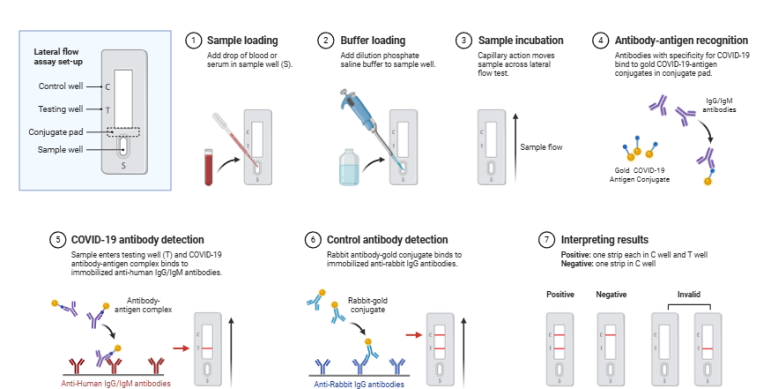
Immunochromatography is a membrane-based detection method that relies on specific antigen-antibody interactions. It utilizes a nitrocellulose membrane as the solid phase, on which a test line (coated with antibody or antigen) is immobilized. The sample solution serves as the mobile phase, while fluorophore- or colloidal gold-labeled antibodies or antigens are immobilized on a glass fiber conjugate pad. Driven by capillary action, the analyte migrates along the test strip. Under the influence of the mobile phase, the analyte first binds to the labeled antibody or antigen and then, upon reaching the test line, binds to the immobilized antibody or antigen, forming a fluorescent or colloidal gold band for detection purposes. However, during production, storage, and transportation, issues may arise with existing immunochromatographic test strips, potentially leading to false-negative results. To avoid false negatives, a control line (C line) is typically included on the nitrocellulose membrane. Common control line systems include the goat anti-mouse polyclonal antibody system and the chicken IgY/goat anti-chicken IgY system. In recent years, DNP-BSA has emerged as a novel control line system of interest. Since 2,4-dinitrophenol (DNP) is a small-molecule compound not found in plants or animals, the DNP-BSA system utilizes anti-DNP antibodies and DNP-BSA to construct the control line, demonstrating excellent stability and low interference. DNP-BSA (2,4-dinitrophenyl-conjugated bovine serum albumin, M58157, AbMole) is suitable for both colloidal gold-based and immunofluorescence-based immunochromatographic detection and is currently an important control system in many immunochromatographic products (e.g., antigen detection, virus detection).

In 2014, two AbMole inhibitors were used in in vivo studies by the Spanish National Center for Cardiovascular Research (CNIC) and Columbia University, leading to publications in Nature and Nature Medicine.


Figure 1. General schematic diagram of immunochromatography.


  1. Mechanism of Action of DNP-BSA

DNP-BSA (2,4-dinitrophenyl-conjugated bovine serum albumin) is a classic hapten-carrier protein complex. As a small-molecule hapten, DNP (2,4-dinitrophenyl) alone cannot induce an immune response. However, when conjugated to the large carrier protein bovine serum albumin (BSA), it becomes a complete immunogen capable of efficiently activating the immune system and inducing the production of DNP-specific antibodies. AbMole’s DNP-BSA (2,4-Dinitrophenyl-Bovine Serum Albumin, M58157) serves as an important immunological tool with broad applications.

AbMole provides global researchers with high-purity, high-bioactivity inhibitors, cytokines, human monoclonal antibodies, natural products, fluorescent dyes, peptides, compound libraries, antibiotics, and other research reagents, widely cited in numerous publications and patents worldwide. 

  1. As an Immunogen for Antibody Production

DNP-BSA (M58157, AbMole) is commonly used as an immunogen to generate DNP-specific antibodies in animals. By injecting DNP-BSA into animals, the immune system is activated, producing DNP-specific B and T lymphocytes, which subsequently secrete specific antibodies. These antibodies can be used in downstream immunological assays, such as detecting antigen-antibody reactions, and studying antibody specificity and affinity.

  1. As an Inducer for Allergic Reaction Models

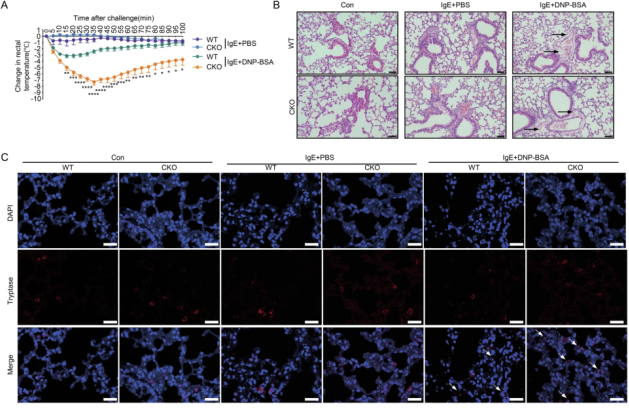
DNP-BSA (2,4-dinitrophenyl-bovine serum albumin) (M58157, AbMole) is a commonly used allergic reaction antigen that can induce allergic responses and establish animal models of allergy. Sensitization can be achieved either by injecting DNP-BSA as an antigen to induce IgE antibody production or by directly injecting anti-DNP IgE antibodies. After a defined sensitization period, an antigen challenge is performed via intravenous injection of DNP-BSA to induce an allergic reaction. Allergic responses can be assessed by monitoring body temperature changes, measuring serum levels of inflammatory mediators, and observing mast cell degranulation and inflammatory cell infiltration in tissue sections.


Figure 1. Construction of an allergy model in mice using anti-DNP IgE and DNP-BSA treatment.

  1. In Immune Tolerance Research

DNP-BSA (M58157, AbMole) can serve both as an immunogen to induce immune responses and as a tool to study mechanisms of immune tolerance. Administering DNP-BSA via different routes (e.g., subcutaneous, intraperitoneal, oral) can induce varying degrees of immune tolerance. Low doses of DNP-BSA administered orally or subcutaneously can induce immune tolerance, typically mediated by regulatory T cells (Tregs), which secrete inhibitory cytokines (e.g., IL-10 and TGF-β) to suppress effector T cell activation and proliferation. High doses of DNP-BSA administered intravenously can also induce immune tolerance, generally through clonal anergy, where T or B cells fail to be fully activated upon antigen stimulation, thereby preventing an effective immune response.

In 2014, two AbMole inhibitors were used in in vivo studies by the Spanish National Center for Cardiovascular Research (CNIC) and Columbia University, leading to publications in Nature and Nature Medicine.


AbMole Mini-Lecture | Cyclophosphamide: A Popular Alkylating Tool in Cancer and Immunology Research

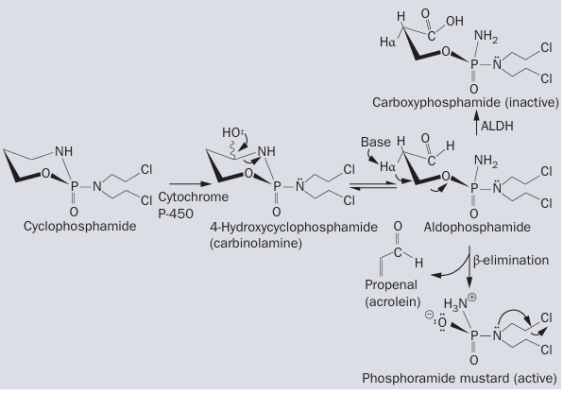
Cyclophosphamide (AbMole, M3746) is an alkylating agent belonging to the nitrogen mustard family, whose metabolites interfere with DNA replication and RNA transcription. Cyclophosphamide (CAS No.: 6055-19-2) is metabolized by the cytochrome P450 system in cells to 4-hydroxycyclophosphamide and aldophosphamide, which induce DNA crosslinking in chromatin, thereby blocking DNA replication and RNA transcription. Additionally, cyclophosphamide exhibits immunomodulatory effects, influencing T cell and B cell proliferation and altering cytokine secretion.

In research, cyclophosphamide is widely used to study various biological processes. In oncology, it is extensively employed in in vitro tumor cell models and animal xenograft models to leverage its antiproliferative activity for analyzing tumor growth characteristics, resistance mechanisms, and screening potential antitumor targets or evaluating novel interventional strategies. In immunology, cyclophosphamide (AbMole, M3746)  is commonly used to establish immunosuppressive models or modulate immune cell populations, for example, by selectively depleting lymphocytes (e.g., B cells, T cells) in mice using specific doses and treatment schedules.

AbMole provides global researchers with high-purity, high-bioactivity inhibitors, cytokines, human monoclonal antibodies, natural products, fluorescent dyes, peptides, compound libraries, antibiotics, and other research reagents, widely cited in numerous publications and patents worldwide.


The metabolic pathway of cyclophosphamide.


Case Study

BMC Biol. 2021 May 20;19(1):108.

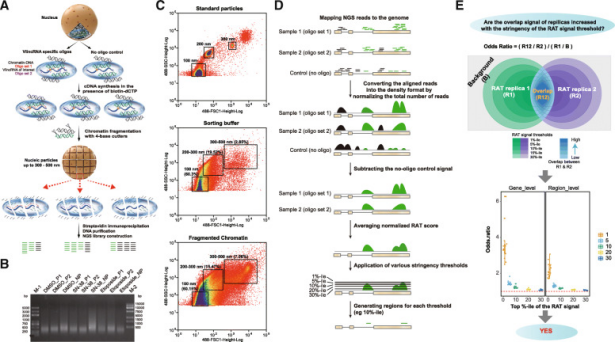
In this study, researchers from Xiamen University and Huaqiao University discovered that very long intergenic non-coding RNAs (vlincRNAs) directly regulate multiple genes in both cis and trans through a nuclear proximity-based mechanism. This regulatory network is critical for cancer cell survival under DNA damage stress. The study provides a multi-method, cross-validated framework for dissecting the functional mechanisms of lncRNAs. Using K562 cells as a model, the researchers systematically characterized the regulatory functions of 407 vlincRNAs through a three-pronged strategy combining co-expression analysis, RNA-chromatin interaction mapping, and CRISPR/Cas13 knockdown validation. To identify vlincRNAs sensitive to the DNA damage response, the researchers established a drug treatment library using multiple AbMole products, including SN-38 (NK012, AbMole, M3016) , Etoposide (VP-16-213, AbMole, M2326) , and Cyclophosphamide (AbMole, M3746) to treat K562 cells. In 2014, two inhibitors from AbMole were used in in vivo studies by the Spanish National Center for Cardiovascular Research (CNIC) and Columbia University, leading to research publications in Nature and Nature Medicine.


Description and validation of the RAT assay.


AbMole Mini-Lecture | BAY 11-7082: A Classic NF-κB Inhibitor in Cancer, Immunology, and Metabolism Research

BAY 11-7082 (BAY 11-7821, M2040, AbMole)  is a widely used NF-κB inhibitor applied in research on inflammatory responses, cancer, and immune regulation. BAY 11-7082 (CAS No.: 19542-67-7) selectively inhibits IκBα phosphorylation in the NF-κB pathway, thereby blocking IκBα degradation and NF-κB nuclear translocation, ultimately suppressing the transcription of NF-κB-dependent genes[1]. In addition to this classical pathway, BAY 11-7082 also inhibits the ubiquitin-specific proteases USP7 and USP21 (IC50: 0.19 μM and 0.96 μM, respectively) and interferes with ubiquitin-conjugating enzyme E2 activity. In RAS-mutant tumor cells, BAY 11-7082 significantly suppresses the growth of NRAS-, KRAS-, and HRAS-mutant tumor cells, an effect validated both in vitro and in mouse xenograft models[1]. Its molecular mechanisms include inhibition of the PI3K-AKT signaling pathway, activation of apoptotic pathways, and downregulation of multiple pro-survival genes [1]. In liver fibrosis research, BAY 11-7082 is used to inhibit activated hepatic stellate cells [2]. BAY 11-7082 also exhibits multiple protective effects in animal models of neurological disorders. For example, it inhibits TNF-α-induced astrocyte dedifferentiation via the NF-κB-Nanog-CD44/Musashi-1 signaling axis[3]; alleviates neuropathy and improves mitochondrial function in diabetic mouse models[4]; and in a postnatal rat model, it inhibits sevoflurane-induced hippocampal pyroptosis and neuroinflammation, preserving synaptic integrity and improving neurocognitive function[5]. In bone metabolism research, BAY 11-7082 is used to validate the regulatory role of the NF-κB pathway in osteogenic differentiation[6]. Thus, BAY 11-7082 is not only an essential tool compound for studying the NF-κB pathway but also demonstrates strong application potential in animal models of cancer, neurodegenerative diseases, fibrotic diseases, and metabolic diseases.

AbMole provides global researchers with high-purity, high-bioactivity inhibitors, cytokines, human monoclonal antibodies, natural products, fluorescent dyes, peptides, compound libraries, antibiotics, and other research reagents, widely cited in numerous publications and patents worldwide.


Case Study

J Inflamm Res. 2021 Mar 17;14:917-928.

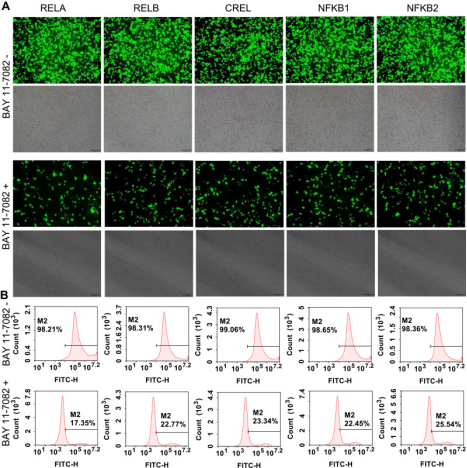
Researchers from the State Key Laboratory of Bioelectronics at Southeast University developed a high-throughput visual screening platform for NF-κB inhibitors using three gene-edited tumor cell lines. Using TALEN and CRISPR technology, they edited five NF-κB family genes (RELA, RELB, CREL, NF-κB1, NF-κB2) in three cell lines (293T, HepG2, and PANC1) to enable ZsGreen fusion expression. BAY 11-7082 (M2040, BAY 11-7821) provided by AbMole was used as an NF-κB inhibitor to validate cellular responsiveness to NF-κB inhibition. In 2014, two inhibitors from AbMole were used in in vivo studies by the Spanish National Center for Cardiovascular Research (CNIC) and Columbia University, leading to publications in Nature and Nature Medicine.


BAY 11-7082 treatment applied to flow cytometry-sorted positive cells [7].


References and Acknowledgments

[1] P. Guruvaiah, R. Gupta, IkappaBalpha kinase inhibitor BAY 11-7082 promotes anti-tumor effect in RAS-driven cancers, Journal of translational medicine 22(1) (2024) 642.

[2] Z. Cheng, F. Li, Y. Qie, et al., Hepatic Stellate Cell Membrane-Camouflaged Nanoparticles for Targeted Delivery of an Antifibrotic Agent to Hepatic Stellate Cells with Enhanced Antifibrosis Efficacy, Nano letters 24(49) (2024) 15827-15836.

[3] Z. Ding, C. Dai, W. Shan, et al., TNF-alpha up-regulates Nanog by activating NF-kappaB pathway to induce primary rat spinal cord astrocytes dedifferentiation, Life sciences 287 (2021) 120126.

[4] L. Sharan, A. Pal, S. S. Babu, et al., Bay 11-7082 mitigates oxidative stress and mitochondrial dysfunction via NLRP3 inhibition in experimental diabetic neuropathy, Life sciences 359 (2024) 123203.

[5] J. Dai, X. Li, C. Wang, et al., Repeated neonatal sevoflurane induced neurocognitive impairment through NF-kappaB-mediated pyroptosis, Journal of neuroinflammation 18(1) (2021) 180.

[6] S. Du, D. Yang, Q. Liu, et al., Ginkgolide B Alleviates LPS-Induced Inhibition of Osteogenic Differentiation in Human Periodontal Ligament Stem Cells by Suppressing the p-IkappaBalpha/NF-kappaB Pathway, Drug design, development and therapy 19 (2025) 8309-8326.

[7] S. Zhang, T. Luo, J. Wang, Stable Cells with NF-κB-ZsGreen Fused Genes Created by TALEN Editing and Homology Directed Repair for Screening Anti-inflammation Drugs, Journal of inflammation research 14 (2021) 917-928.